Building a mobile app used to mean one of three things: learning to code, hiring developers, or settling for limited no-code tools.
This week, Replit pushed that boundary further.
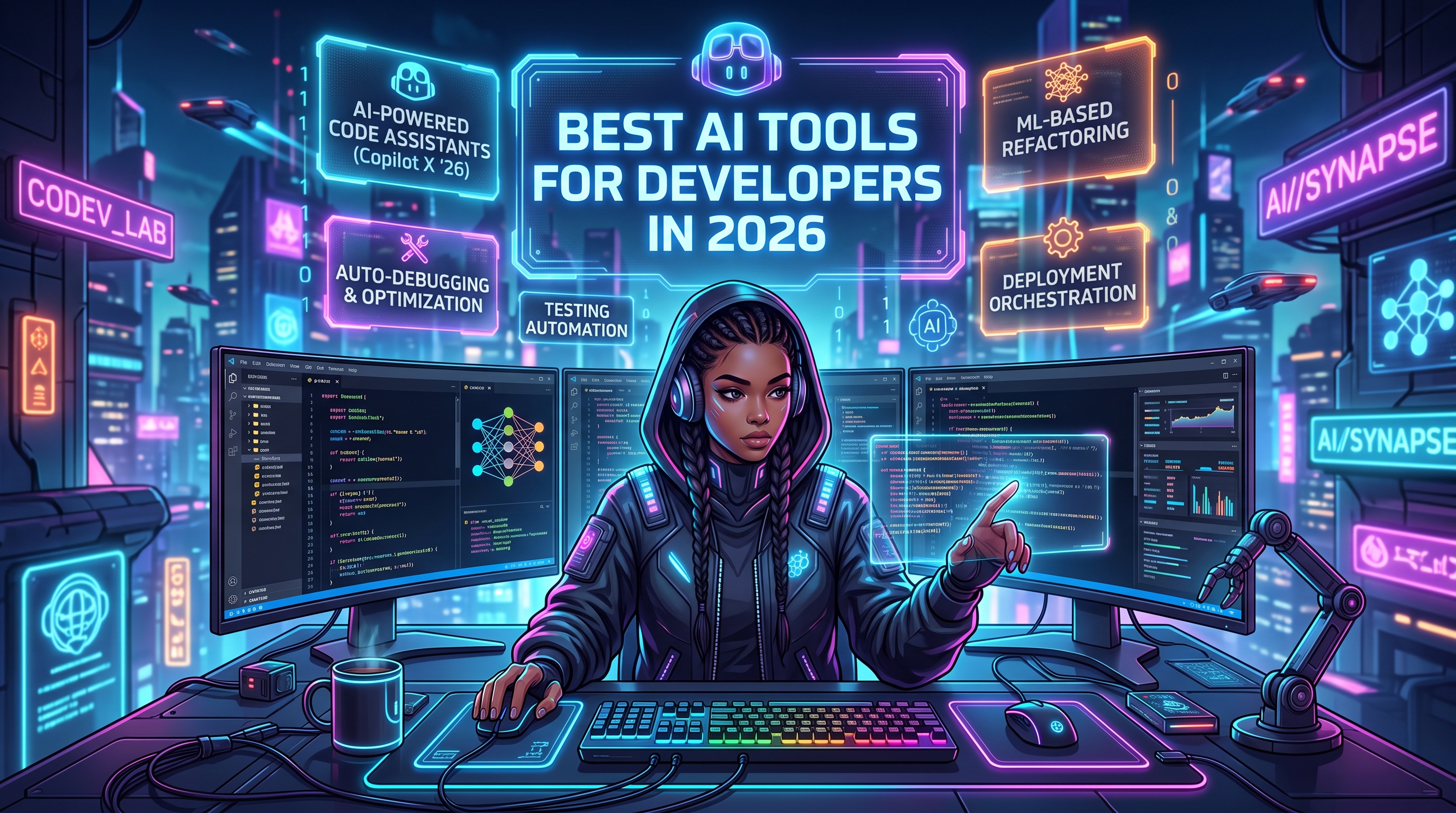
The AI coding startup has launched a feature that allows users to create and publish iOS apps using plain English prompts. Describe the app you want, and Replit generates it — code, interface, and all.
This approach, often called vibe coding, is no longer experimental. It’s quickly becoming a real option for indie founders and solo builders.
From Idea to App Store — Faster Than Ever
Replit’s new Mobile Apps feature is designed to take someone from idea to working iOS app in minutes, and into Apple’s App Store within days.
- Describe the app in natural language
- Let the AI generate the app and UI
- Preview and test instantly
- Submit for Apple review
- Add payments via Stripe if needed
For indie builders, this removes several traditional bottlenecks at once: upfront engineering cost, long development cycles, and the need to master Apple’s tooling just to validate an idea.
Why This Matters for Indie Founders
If you’re building solo or bootstrapped, speed beats polish early on.
Vibe coding changes the core question from:
Can I build this?
to:
Is this idea even worth building?
Instead of spending months on a first version, you can launch a prototype quickly, test real user demand, collect feedback, and kill weak ideas early.
The Bigger Trend Behind Replit’s Move
Replit isn’t acting in isolation.
Vibe coding has exploded alongside generative AI. Tools like Claude Code and Cursor have gone viral among developers, while startups in this space are raising massive rounds at aggressive valuations.
Replit itself was valued at around $3 billion last year and is reportedly approaching a new funding round that could value the company significantly higher.
Investors are making one clear bet: code is no longer the primary bottleneck.
Apple Still Controls the Gate
Despite all the automation, one thing hasn’t changed: Apple has final approval.
Any Replit-built app must still pass App Store review, including rules around user data handling, privacy disclosures, and app quality.
AI can help you build faster — it can’t bypass platform rules.
The Quiet Risk: Security
This is where the hype needs caution.
Recent cybersecurity research shows that AI-generated apps often ship with weak authentication, missing rate limits, and poor protection against basic attacks.
For MVPs and experiments, this might be acceptable. For real users, payments, or sensitive data — it isn’t.
The smart approach for indie builders:
- Use vibe coding for speed and iteration
- Treat the output like junior-level code
- Audit and harden before scaling
My Take
Replit’s iOS launch isn’t just a feature update — it’s a signal.
Software creation is getting easier. Good ideas are getting harder.
When anyone can ship an app in days, the advantage shifts to taste, distribution, and understanding real user problems.
For indie founders, vibe coding is powerful — if used intentionally.
Build fast. Validate early. Don’t confuse “easy to build” with “worth building.”